Building community: peer support for 2SLGBTQIA+ across the NWT
For many 2SLGBTQIA+ people in the Northwest Territories, finding support starts with a conversation.
Whether someone is looking for information about gender-affirming healthcare, searching for community connections, or simply trying to understand how to support a loved one, Northern Mosaic Network’s Peer Support Program provides a trusted place to turn to. Based in Yellowknife, the nonprofit organization supports 2SLGBTQIA+ people across the territory through advocacy, education, community programming, and peer support.
Leading the peer support program at Norther Mosaic Network is Emily Smith, the organization’s Peer Support Coordinator. For Emily, the program is built around a simple idea: making sure people have someone they can reach out to.
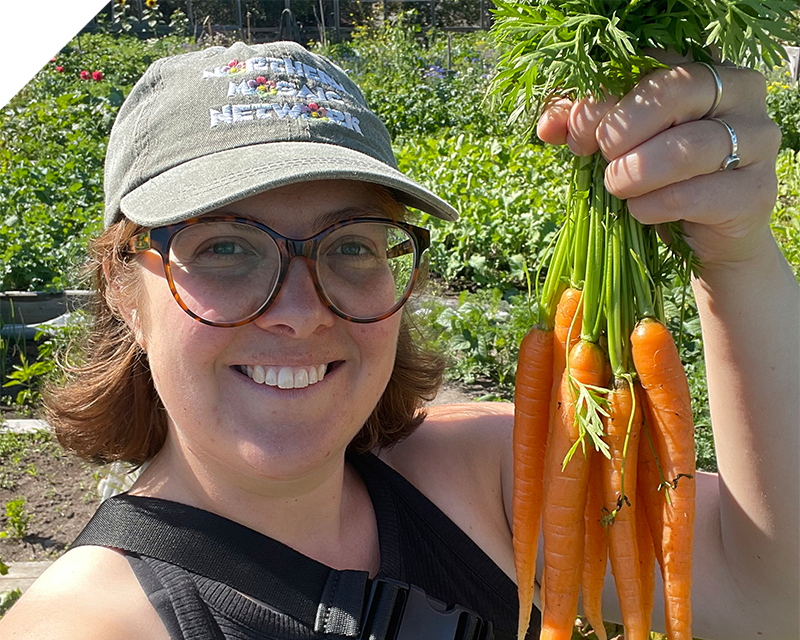
“I always tell people that I don’t have all the answers, but I will always do my best,” Emily says. “Sometimes that looks like gathering resources, sometimes it’s connecting people to services, and sometimes it’s helping them navigate barriers that exist.”
A program built on trust
Unlike traditional counselling services, Northern Mosaic Network’s Peer Support Program is designed to meet people where they are.
“When I tell people about the program, I always want to make it really clear that I’m not a mental health professional in this role,” Emily says. “What we offer is a central place for people to come and ask any questions they have about 2SLGBTQIA+ people or the community in general.”
Over the past year, the program has expanded its reach across multiple communities, providing peer support and connecting individuals with the resources and relationships they need.
Meeting people where they are
One of the program’s greatest strengths is its accessibility. Community members can connect through email, phone, text, video calls, social media, or in-person.
For Emily, offering multiple ways to connect is essential.
“People can access the program anonymously,” she says. “I don’t need to know people’s names. I don’t need to know what community they live in.”
For many people, especially those who may not be publicly out or who are exploring their identity, the ability to reach out anonymously can make the first step much easier. Email and messaging options also accommodate varying schedules, communication preferences, and comfort levels.
Technology plays an especially important role in the northern context. While in-person community building remains valuable, virtual communication can provide a safer and more accessible option for individuals living in smaller communities where privacy may be limited.
“In some situations, in-person isn’t always accessible,” Emily explains. “Being able to connect with people over the phone or by email can make support available in a way it otherwise wouldn’t be.”
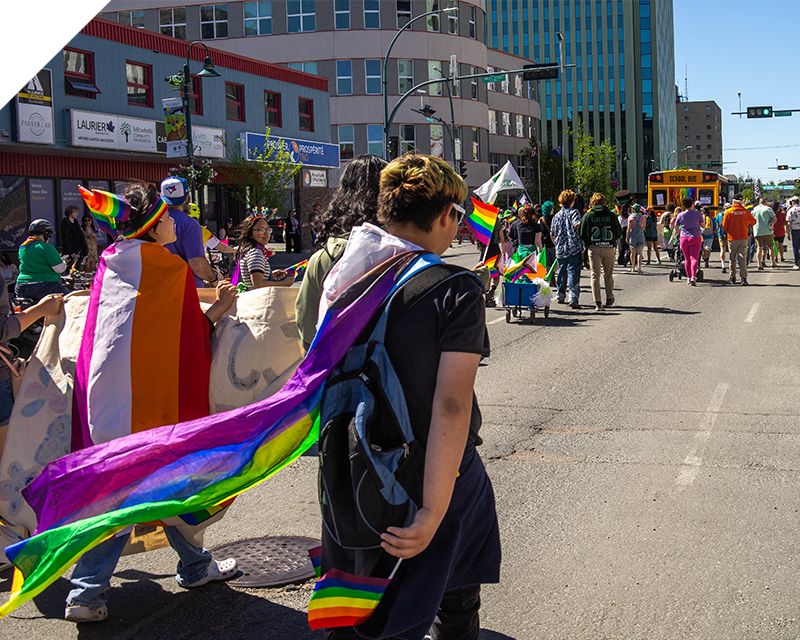
Responding to community needs
The questions community members bring to the Peer Support Program shed light on the challenges many northern residents face.
Some of the most common requests involve parents or caregivers seeking resources to better support a child who has come out. Others focus on navigating the often-complex pathways to accessing gender-affirming healthcare.
“The unique thing about the program is that we are one of the few places people can reach out to that is identified as a 2SLGBTQIA+ organization,” she says. “Community members have a level of trust that their requests will be received with care and that their identities will be affirmed.”
That trust often helps people take the next step toward accessing healthcare, mental health support, community programs, or other services.
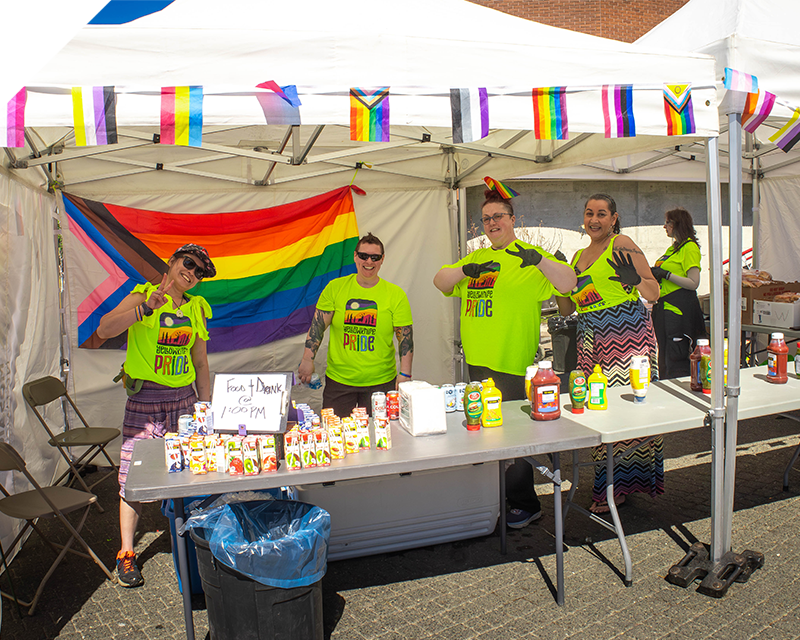
Looking ahead
As the program continues to grow, Emily remains hopeful about the future of support and healthcare access for 2SLGTQIA+ people across the Northwest Territories. But she is also quick to point out that peer support itself is nothing new.
“Peer support, I think, is inherently a part of queer communities. And it’s something that queer people have been doing for each other for a very long time. And this program doesn’t replace that, but I think it gives a formal spot for that to exist.”
For Emily, that sense of connection is at the heart of everything Northern Mosaic Network does. Whether it’s helping someone navigate a healthcare system, find community, or take the first step toward reaching out, the program is about making sure people know they are not alone.
“This program could not exist with just me on my own. And being able to connect with other people is such a key part of it.”
In a territory where distance can often create barriers, those connections are helping ensure more people across the Northwest Territories feel seen, supported, and connected to community.
Northwestel has partnered with Northern Mosaic Network since 2022, providing $5,000 annually to support the Peer Support Program. With a total commitment of $35,000, Northwestel renewed its support in 2026 for an additional two years, helping strengthen access to inclusive community support services across the North.
Photos:
Mathieu Durnford
Geoffrey Rodriguez
Emily Smith