
The hidden cost of missed calls: why staying reachable matters for small businesses
For many small businesses, every phone call matters.
Whether it’s a new customer requesting a quote, a returning client looking for support, or a supplier with time-sensitive information, a single call can lead to new business, stronger relationships, or a problem solved before it becomes a bigger issue.
But when your team is small, answering every call isn’t always easy.
You’re helping customers, working in the field, meeting with clients, or juggling countless other responsibilities. Before you know it, a call goes unanswered.
Most business owners have experienced it, and many don’t realize what those missed calls may actually be costing them.
Every missed call is a missed opportunity
Unlike an unanswered email, a missed phone call doesn’t always leave a trail.
Some callers will leave a voicemail. Others may try again later.
Many won’t.
You may never know whether the call was from a prospective customer ready to make a purchase, an existing customer with an urgent question, or someone referred by one of your best clients.
According to the Business Development Bank of Canada’s State of Entrepreneurship Report 2025, 67% of Canadian entrepreneurs say retaining existing customers is a priority. While customer retention often focuses on service after the sale, it also depends on being available when customers need you most.
Sometimes, the first impression your business makes is simply answering the phone.
Customers still value human connection
While digital channels like email, online forms, and chat tools all play an important role, many customers still prefer speaking directly with a person when it matters most.
This is especially true among younger generations. Research shows that 74% of Gen Z consumers and 84% of Millennials prefer a human interaction when resolving customer issues or answering questions.
For small businesses, this is an important reminder: when customers pick up the phone, many are actively choosing a real conversation over a chatbot, automated response, or email exchange. They want answers, reassurance, and the confidence that comes from speaking with someone who can help.
Being available when those calls come in doesn't just improve customer service. It helps create the personal connections that build trust, strengthen relationships, and keep customers coming back.

Why small teams miss calls
For many northern businesses, missing calls isn’t a sign of poor customer service, it’s the reality of running a lean operation.
The same person answering the phone may also be:
- Serving customers in-store
- Working on-site or travelling between job locations
- Managing inventory and deliveries
- Processing invoices
- Coordinating staff
- Responding to customer requests
In many communities across the North, businesses don’t have dedicated receptionists or large customer service teams. Everyone pitches in, and everyone wears multiple hats.
That flexibility helps businesses succeed, but it can also make staying connected more challenging.
The real cost isn’t just one missed call
Most businesses invest significant time and money attracting new customers.
Whether someone found your business through a Google search, a recommendation from a friend, social media, or local advertising, every phone call often represents the result of that effort.
If nobody answers, that investment may never turn into a conversation.
For existing customers, unanswered calls can also create frustration. A delayed response might not seem significant, but when customers need quick answers, they’re more likely to keep looking for someone who can help.
Being reachable isn’t just about making sales, it’s about building trust.
Technology can help small teams do more
The good news is that staying connected no longer depends on everyone sitting beside a desk phone.
Modern cloud-based business phone systems include features designed specifically for small teams, including:
- Mobile extensions that ring employees wherever they’re working
- Intelligent call routing that directs callers to the right person
- Auto attendants that help callers reach the department they need
- Presence indicators that show who’s available
- Voicemail-to-email so important messages aren’t overlooked
These tools help businesses respond more quickly without adding staff or changing the way they work.
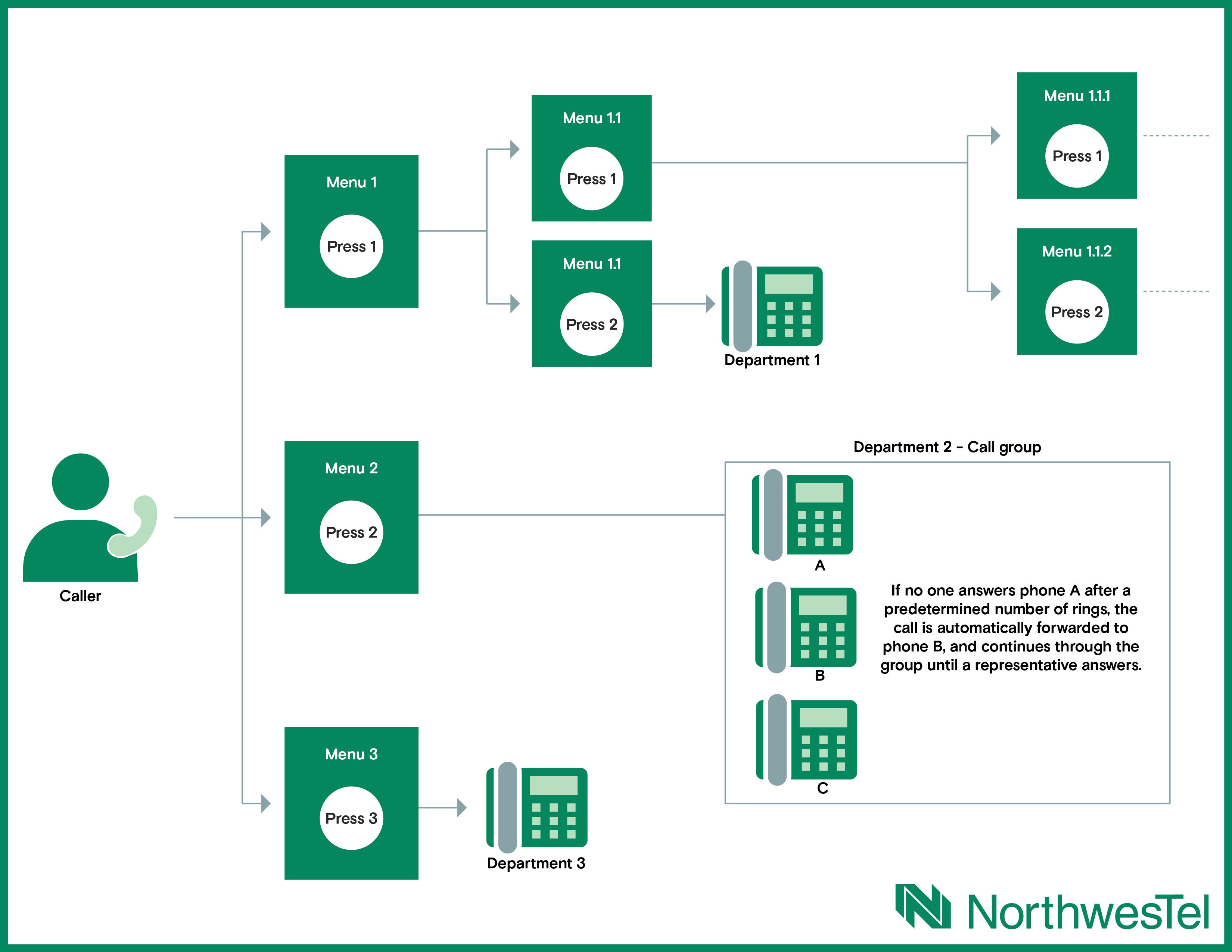
Designed for the way northern businesses operate
Across Northern Canada, business doesn’t always operate from a single office.
Teams work across multiple locations, travel between communities, visit job sites, and support customers wherever they’re needed. Communications technology should work just as flexibly.
With Northwestel Smart Office and Business Phone Systems, employees can answer business calls from compatible desk phones, laptops, or mobile devices using the same business number. Intelligent call routing, mobile extensions, and collaboration features help ensure customers reach the right person, even when they’re away from the office.
That means fewer missed opportunities, a more professional customer experience, and greater confidence that important calls won’t slip through the cracks.
Every conversation counts
You can’t predict which call will become your next customer, your next project, or your next long-term relationship.
But you can make sure your business is ready when it comes.
For small businesses, staying connected isn’t just about technology, it’s about protecting the opportunities you’ve worked hard to create.
