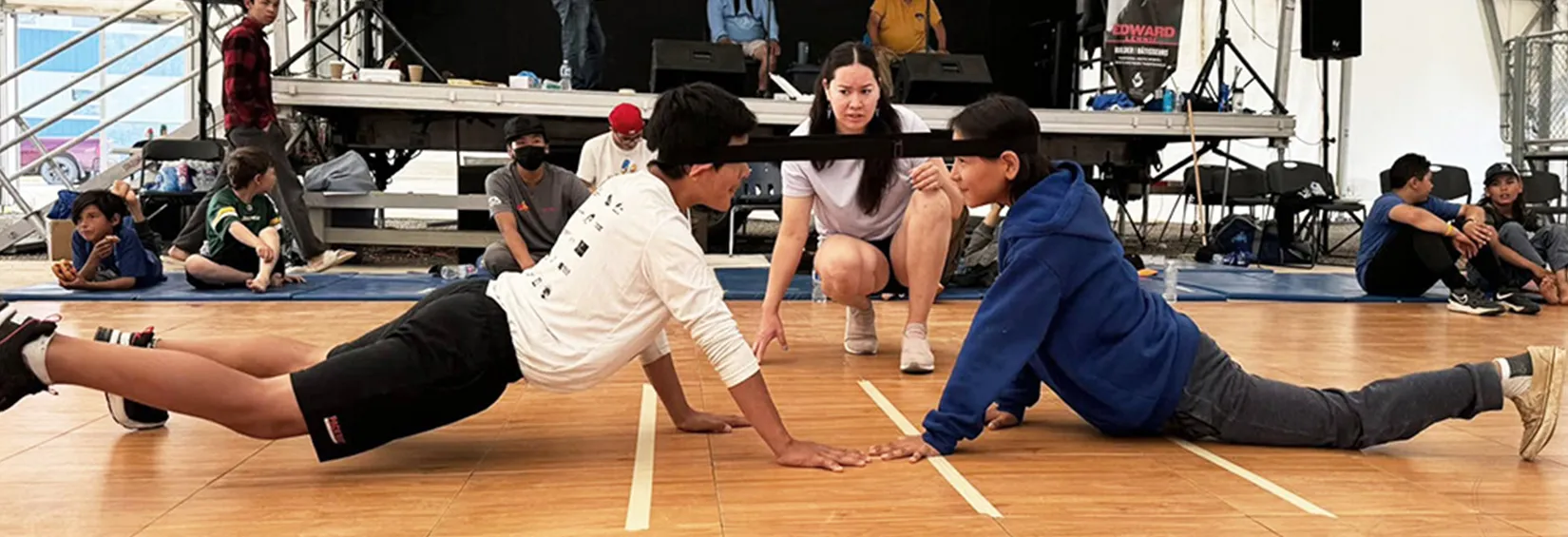
Reaching high: At the Northern Games, Inuvialuit knowledge holders pass the torch to a new generation
In celebration of Indigenous History Month, we are reflecting on stories that highlight the strength, resilience, and living traditions of Indigenous communities across the North. The Northern Games of the Western Arctic are one such story, a powerful gathering where culture, community, and connection come alive through movement, skill, and intergenerational teaching.
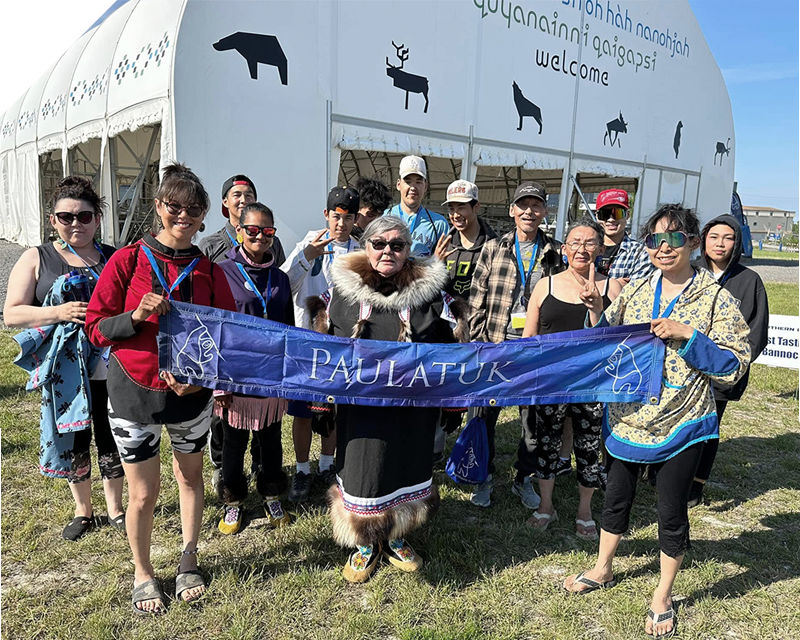
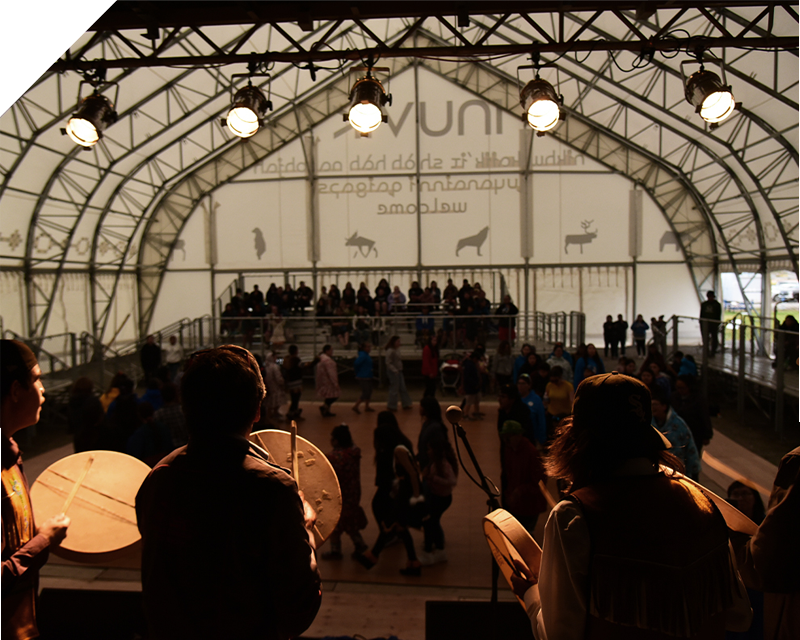
At the 55th annual Northern Games in Inuvik, Inuvialuit knowledge holders proudly passed centuries-old traditions on to a new generation. Athletes and community members of all ages came together to celebrate northern culture and strengthen ties between communities; together they formed lasting friendships and witnessed incredible displays of strength, endurance, and agility rooted in life on the land.
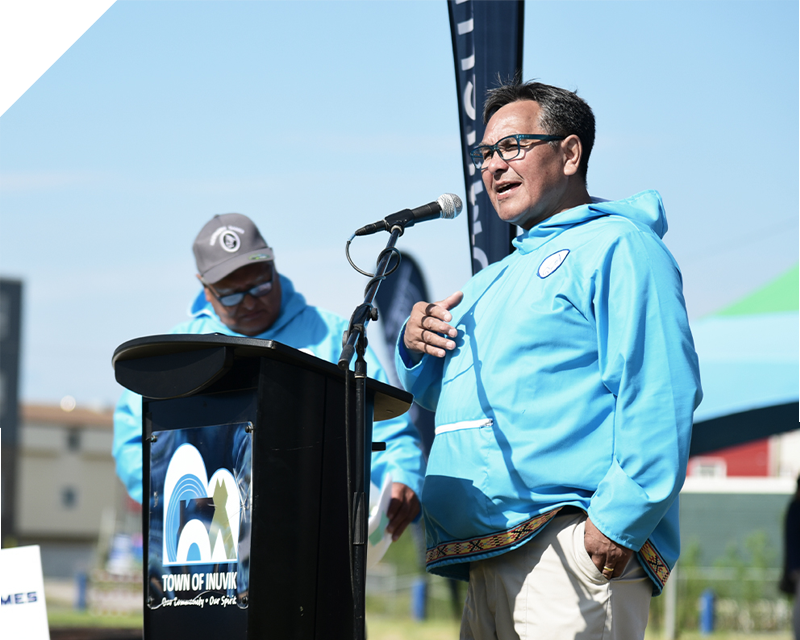
Inuvialuit knowledge holders Donald Kuptana Jr. and Gerry Kisoun watched with pride as youth brought fresh energy and enthusiasm to age-old traditions.
Donald Kuptana Jr, a King Charles Coronation Medal recipient from Tuktoyaktuk, has been involved in the Northern Games since he was four years old. Now serving as Executive Director and a key organizer, he believes the Games are about far more than physical competition.
“We always incorporate drum dancing. Participants make animal sounds and try to make someone laugh, or even the whole group laugh,” says Kuptana. “The game is called Animal Muk, and it’s all about making sure everyone is involved, learning new skills, and building new friendships.”
For Kuptana, the Games are deeply tied to cultural continuity. “It’s so important that we bridge back our games to the youth of today, because it connects them to how we lived on the land through our ancestors’ generations ago.”
Gerry Kisoun, Commissioner of the Northwest Territories and an Inuvialuk Elder, has been part of the Northern Games movement since the 1960s as a participant, coach, volunteer, and knowledge holder. He has organized demonstrations for Canadian prime ministers and international audiences alike. For Kisoun, the Games are a vital way to preserve tradition while helping youth thrive.
“I love sharing our games,” he says. “I truly enjoy sharing the stories and taking it to the kids of today, because it helps inspire them.”
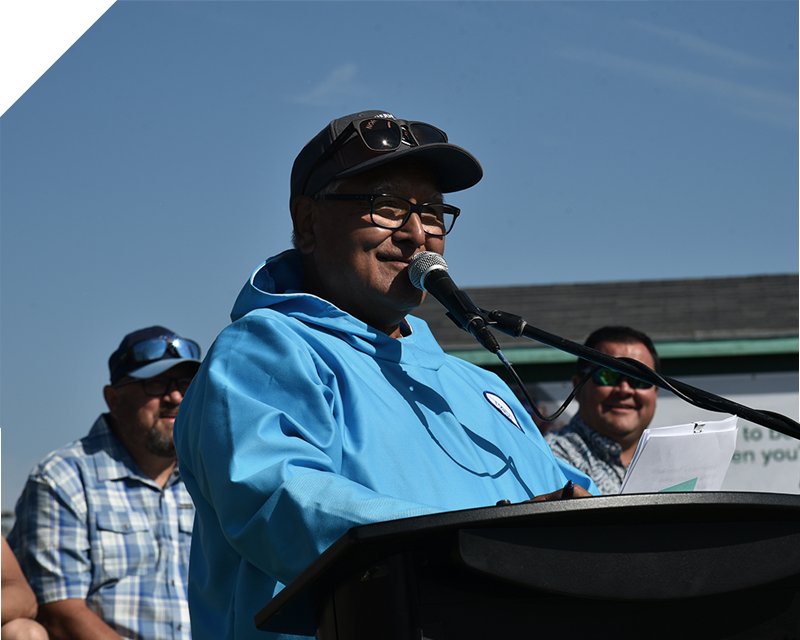
Kisoun emphasizes that the Games teach important life skills grounded in traditional ways of living.
“We teach the kids to think fast. You might get into a situation while hunting out on the land where you have to act quickly. You need to be strong and able to jump from one chunk of ice to another and catch that seal.”
As a proud partner of the Northern Games of the Western Arctic, Northwestel was honoured to witness youth learning, practicing, and excelling in traditional Arctic games that reflect both cultural knowledge and athletic excellence. Below are four of the many traditional Games that continue to capture the spirit of the North.
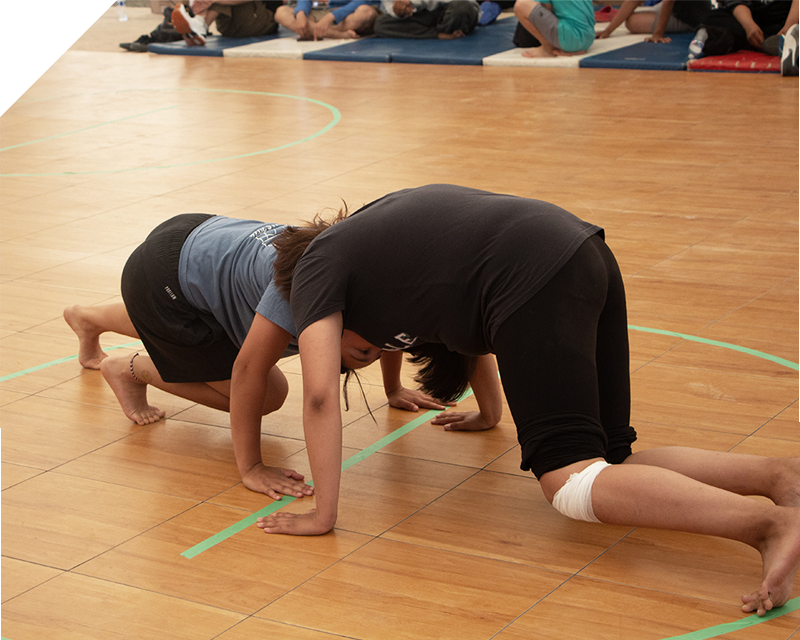
The Muskox Push
This event mimics the herd behaviour of one of the Arctic’s most iconic animals, the muskox. Developed over centuries, the Muskox Push builds strength, endurance, and resilience, skills essential for thriving on the land.
Athletes begin kneeling shoulder to shoulder, heads tucked beneath their opponent’s collarbones, with one goal: push the other competitor out of the circle. While strength is crucial, strategy and footwork often make the difference.
“These are the games that mimic the strength of different animals,” says Kuptana. “They help build your core strength so that you’re able to be successful out on the land.”
One Foot High Kick
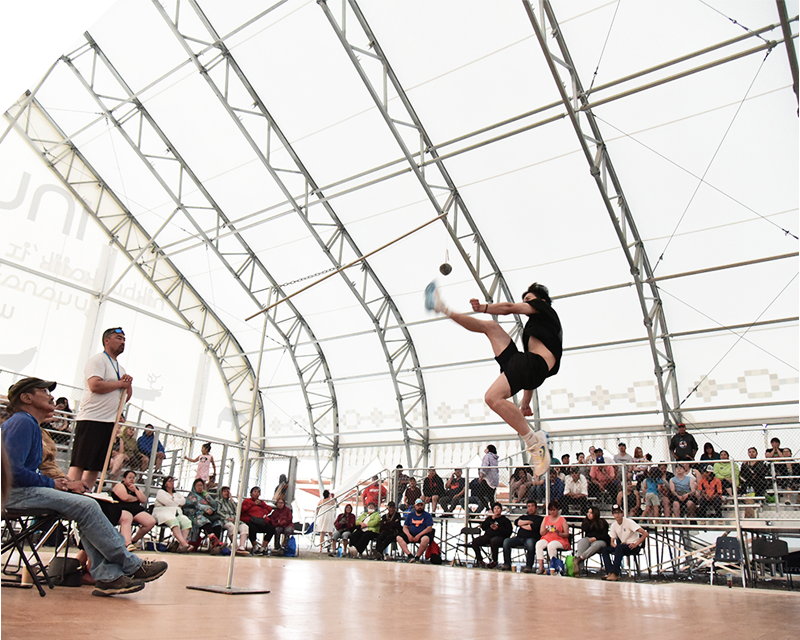
Often considered one of the marquee individual events at the Northern Games, the One Foot High Kick showcases extraordinary balance, agility, and control.
Traditionally used to develop body awareness and coordination, athletes aim to kick a suspended seal ball while standing on one foot, landing and balancing again on the same foot. The target rises higher as the competition progresses, allowing participants of all ages and abilities to challenge themselves and learn from one another.
At the Games in Inuvik, the highest kick reached an astounding 8 feet and 10 inches, a powerful reminder of the athleticism these traditional Games continue to inspire.
Goose Plucking
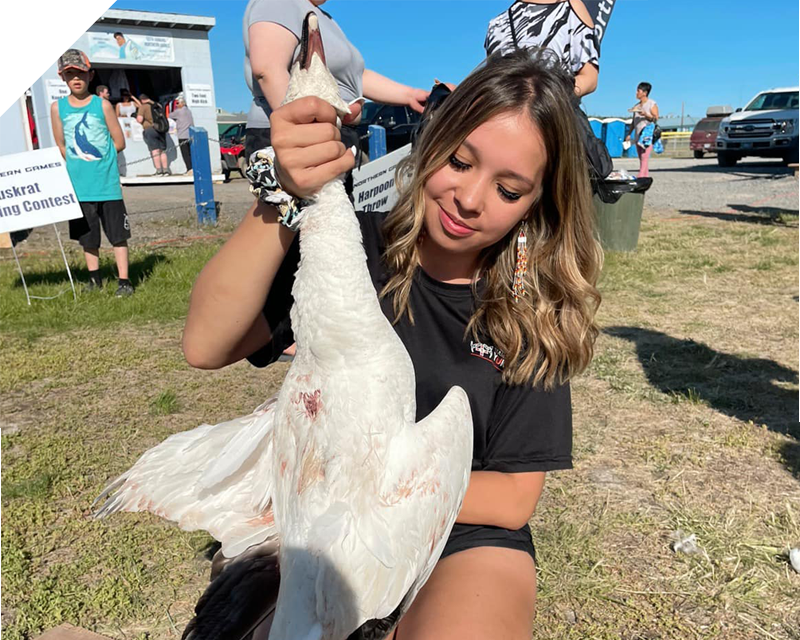
Beyond feats of strength and agility, the Northern Games also celebrate essential survival skills passed down through generations. Events such as fish cutting, seal skinning, and goose plucking demonstrate precision, efficiency, and respect for traditional harvesting practices.
Goose plucking includes two judged categories: fastest pluck and cleanest pluck. The flurry of feathers makes the event both exciting and entertaining, while the geese become part of a shared community feast, a highlight of the Games.
Blanket Toss
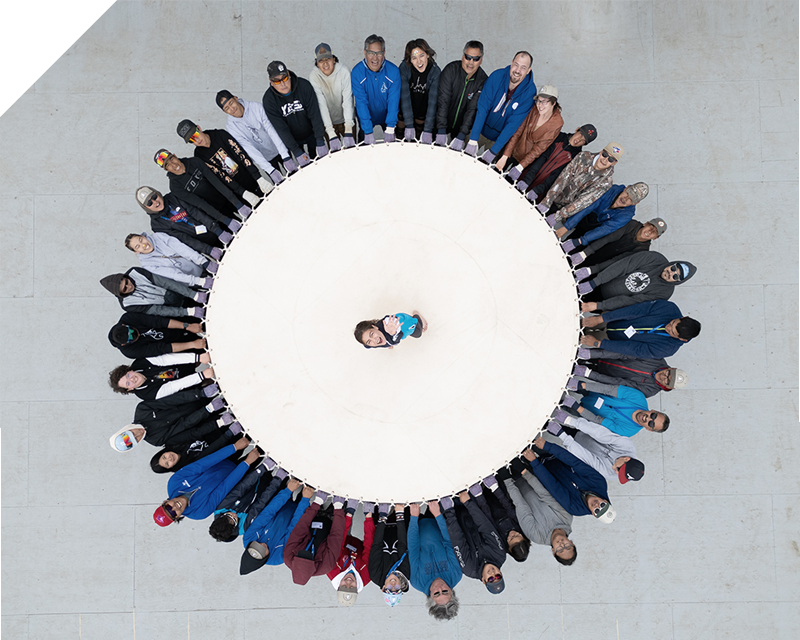
One of the most iconic and joyful events of the Northern Games, the Blanket Toss brings the entire community together in celebration.
Originally used to gain a better vantage point while hunting across the flat tundra, today the Blanket Toss is a non-competitive showcase of teamwork, coordination, trust, and courage. Community members gather around a sealskin blanket and work together to lift participants high into the air, young and old alike.
The Blanket Toss is a reminder that success comes through collective effort, and that courage is often met with celebration.
As we celebrate Indigenous History Month, the Northern Games remind us that Indigenous culture is not something of the past, but something actively practiced, shared, and strengthened whenever communities come together. Through the leadership of knowledge holders and the enthusiasm of northern youth, these traditions continue to evolve while remaining deeply connected to the land and ways of life that shaped them.
Northwestel is proud to support initiatives like the Northern Games that celebrate Indigenous culture, empower youth, and foster strong community connections across the North. We look forward to continuing this journey alongside northern communities, helping ensure these powerful traditions are carried forward for generations to come.
